Eric Hill: The Man Behind the Modern Cleaning Profession
How one man's vision helped transform cleaning from an overlooked occupation into a respected profession.
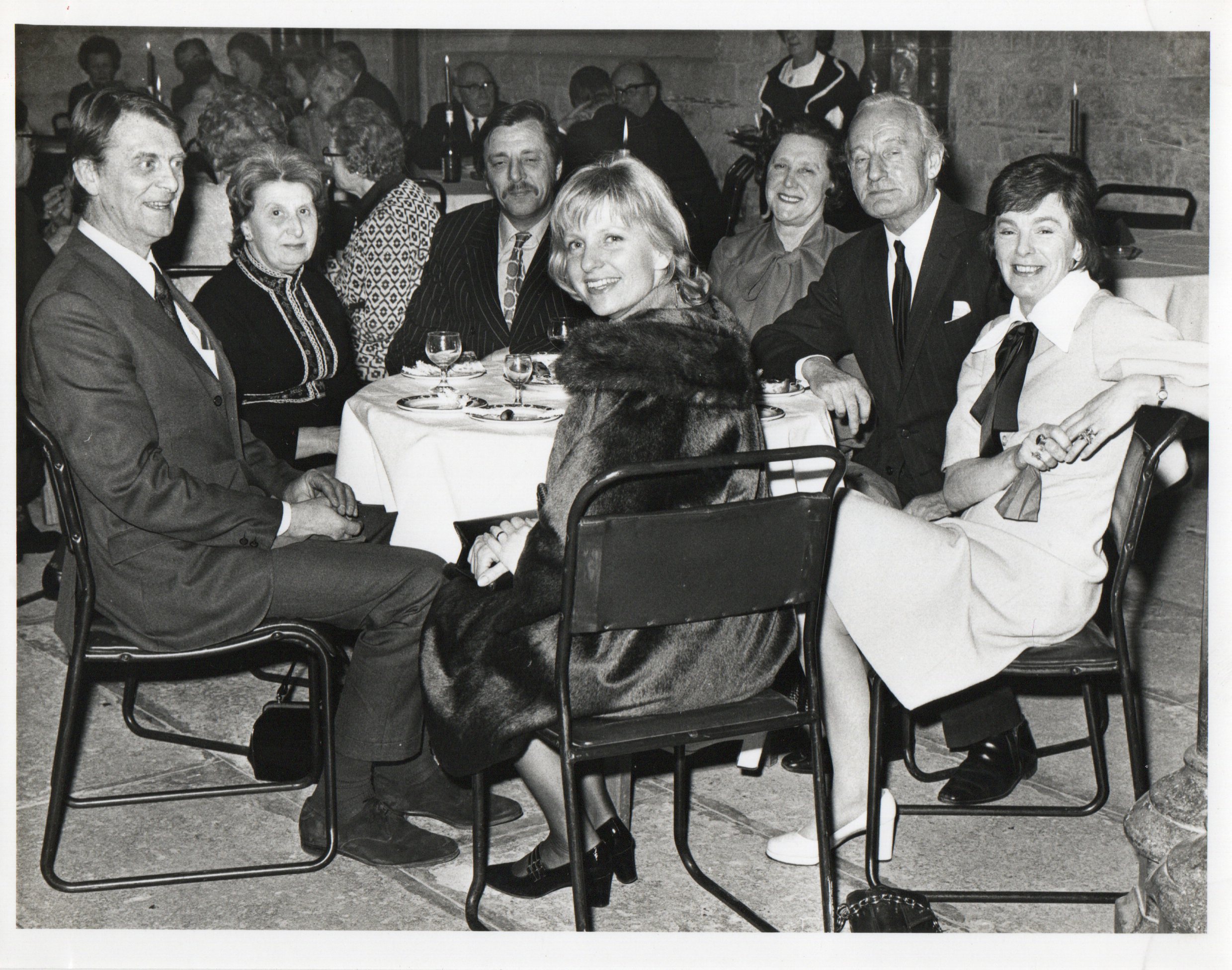
On the 2nd July 2026 , members of the Hill Club will gather once again on the River Thames.
There will be laughter, old friendships renewed, new members welcomed and, as always, stories that become just a little better with each passing year.
It's one of those occasions that reminds us how fortunate we are to belong to an industry with such a strong sense of community.
But it also makes me wonder how many of us really know why that community exists.
Many know the name Eric Hill because of the Hill Club.
Others recognise it through the Worshipful Company of Environmental Cleaners (WCEC), the British Institute of Cleaning Science (BICSc) or Tergere Lodge.
Yet relatively few people understand just how different our industry looked before Eric Hill and a handful of like-minded pioneers decided that cleaning deserved something better.
This isn't simply the story of one remarkable man.
It's the story of how a profession found its identity.
Before Cleaning Became a Profession
Today, it's easy to take the professionalism of our industry for granted. We have recognised qualifications, structured training, professional standards, respected trade bodies and a Worshipful Company that proudly represents our profession within the City of London. We have conferences, awards, career paths and an industry that increasingly commands the respect it deserves.
But if you had worked in commercial cleaning during the 1950s and early 1960s, the landscape would have been almost unrecognisable.
At that time, many of London's most prestigious office buildings employed resident housekeepers who lived on site and took personal responsibility for the cleanliness and presentation of the building. Cleaning was an essential service, yet those who devoted their working lives to it were rarely regarded as professionals. There were few recognised standards, little formal training and almost no organised representation for those working within the industry.
Cleaning was something people did, not something they aspired to build a career around.
Eric Hill believed that had to change.
Eric Hill's Vision for the Cleaning Industry
Eric Hill was not a politician or a prominent businessman seeking recognition. He was a working housekeeper who believed that the people responsible for maintaining our buildings deserved the same professional respect as those who designed, engineered and managed them.
Today that may seem like common sense, but at the time it was a remarkably progressive way of thinking.
Eric understood that respect could not simply be demanded; it had to be earned. It would come through higher standards, better education, professionalism and a genuine commitment to helping one another improve. Those principles became the foundation of everything he went on to achieve and continue to influence our profession today.
John Ayres and the Friendship That Helped Shape a Profession
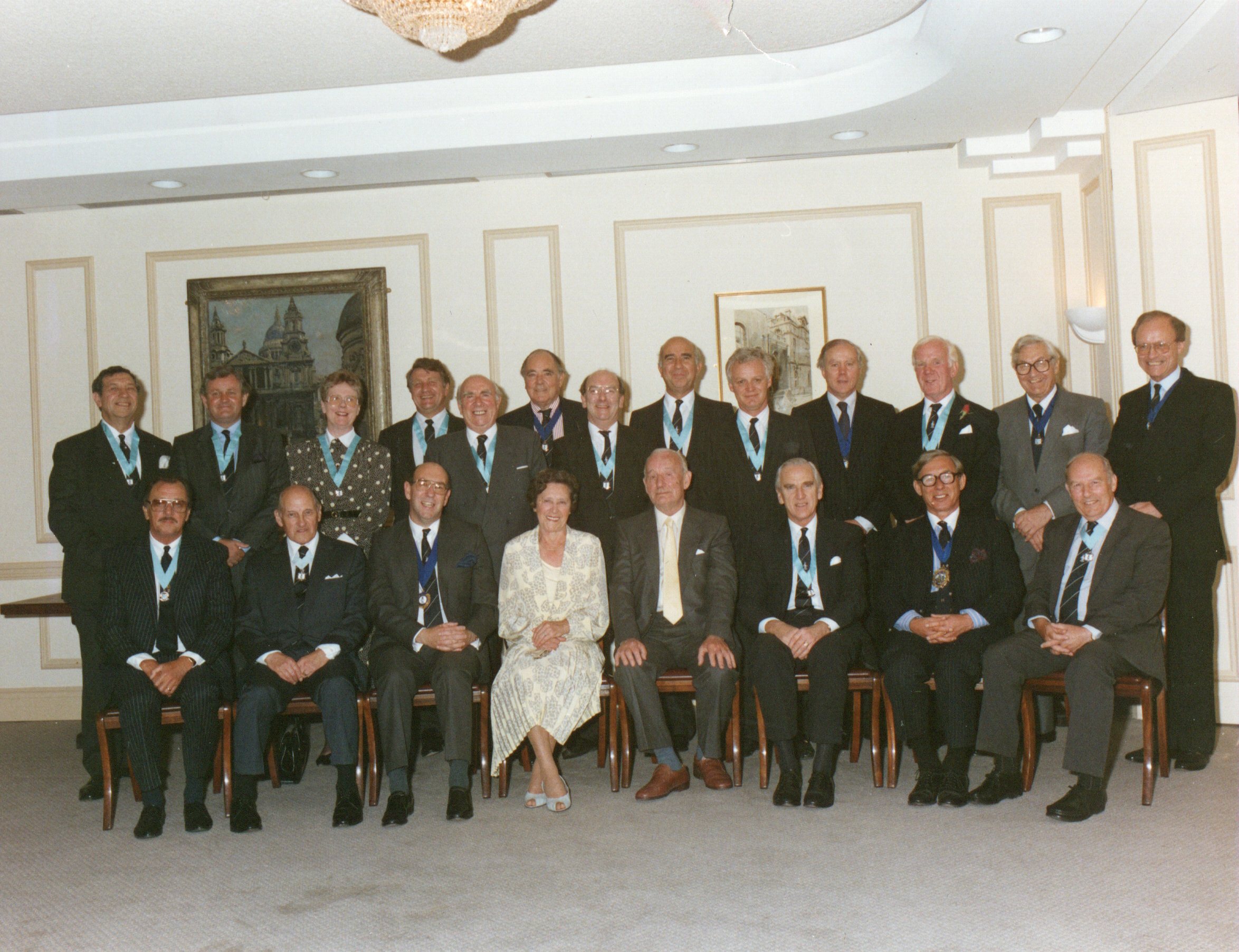
History is often portrayed as being shaped by great events, but more often it begins with ordinary people whose paths happen to cross at exactly the right moment.
My late father-in-law, John Ayres, worked for his father's cleaning chemical business, visiting housekeepers across London and supplying the products they relied upon to maintain some of the capital's finest commercial buildings. One of those customers was Eric Hill.
What began as a straightforward business relationship quickly developed into a close friendship. More importantly, it became a partnership built on a shared belief that the cleaning industry deserved greater recognition and higher professional standards.
Together, alongside a small group of equally committed pioneers, they began asking a question that few others had considered.
Why shouldn't cleaning be recognised as a true profession?
Looking back today, the answer feels obvious. At the time, however, it required vision, determination and no small amount of courage to challenge the accepted view of the industry. Someone had to create standards where none existed, encourage others to think differently and persuade an entire profession that it deserved greater respect.
Eric Hill was one of those people.
John Ayres was another.
Building More Than Organisations
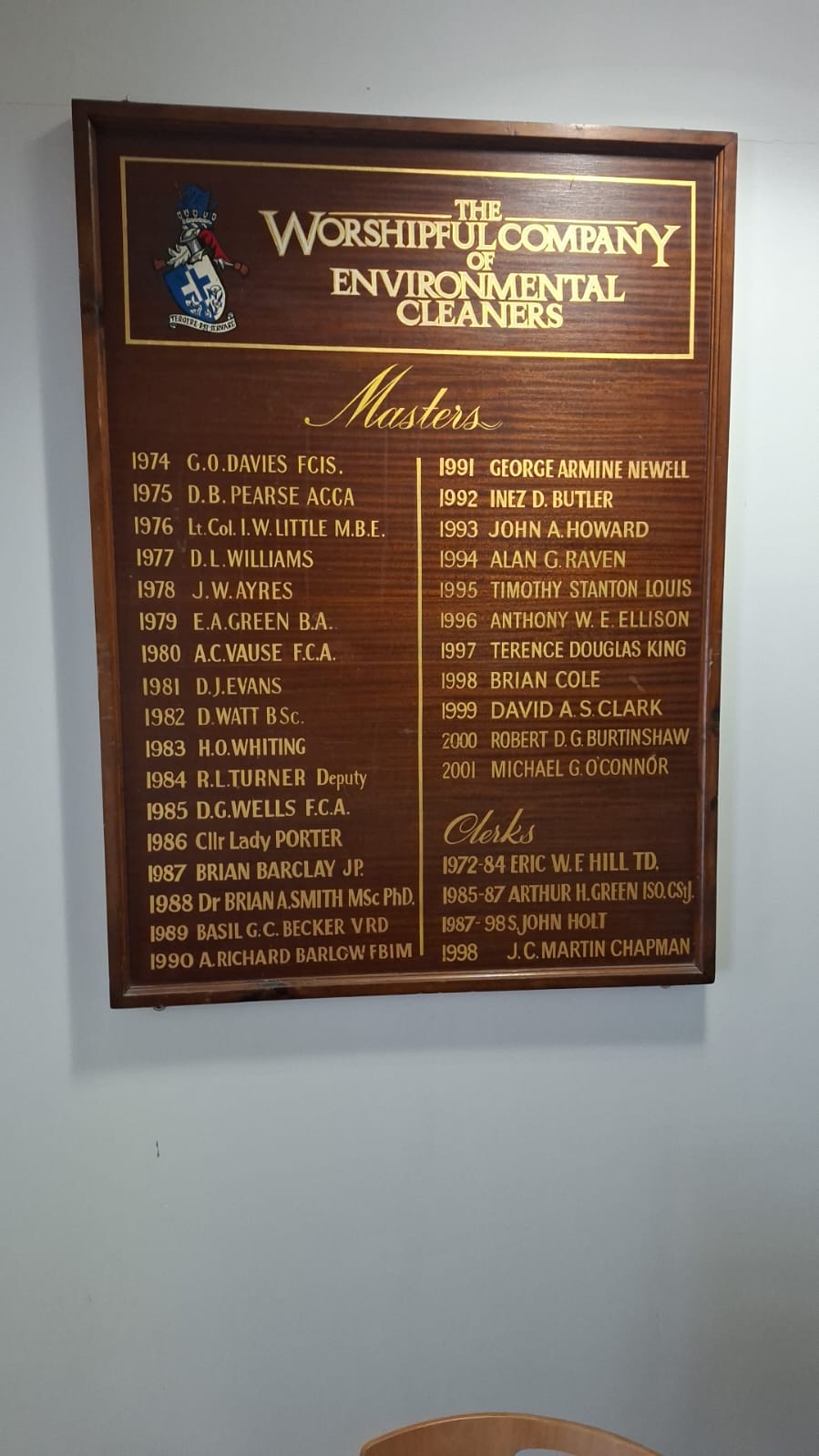
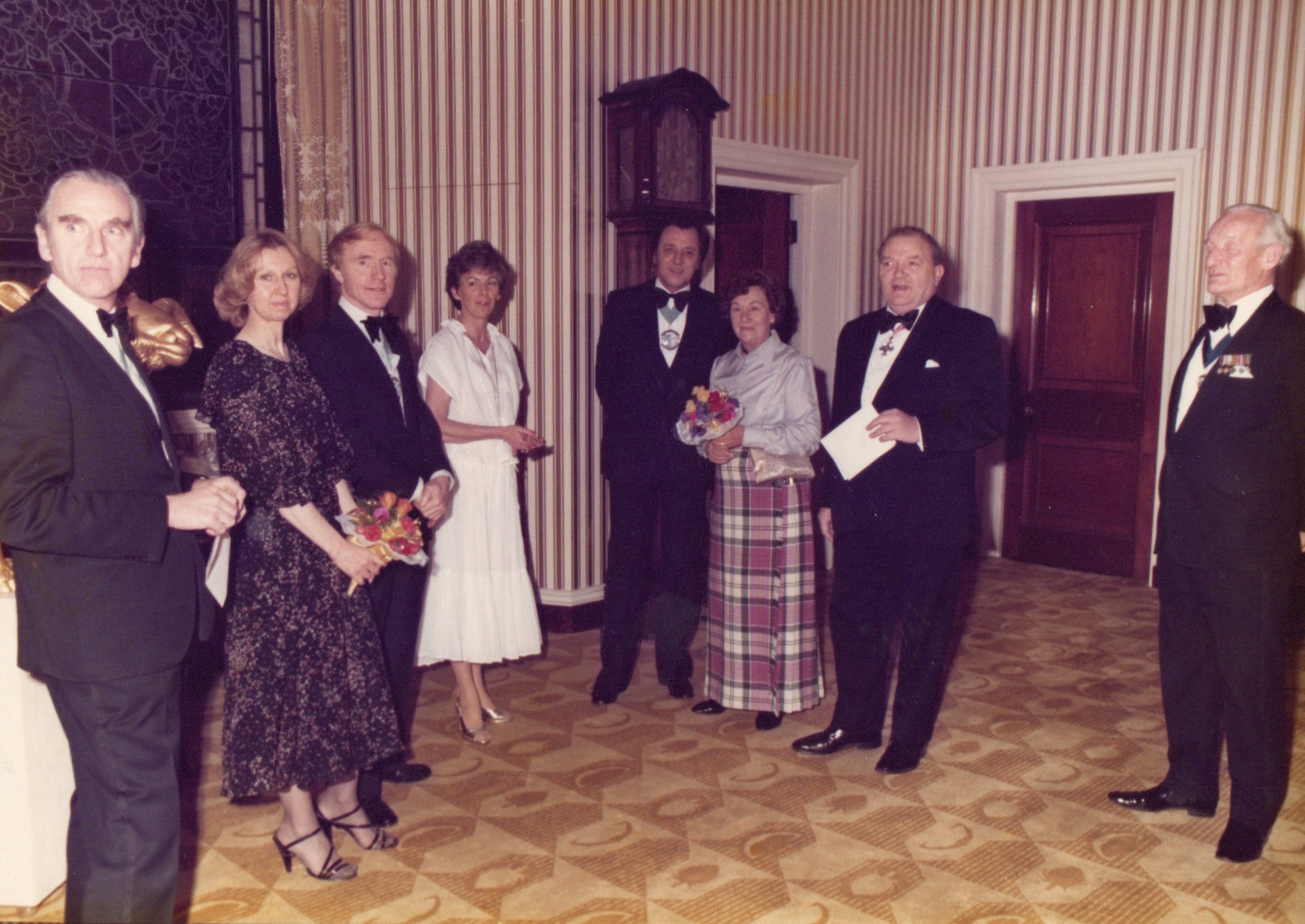
Looking back, it would be easy to measure Eric Hill's legacy simply by listing the organisations he helped create. He was instrumental in establishing the Guild of Cleaners, which would later become the Worshipful Company of Environmental Cleaners. He founded the British Institute of Cleaning Science, created Tergere Lodge and inspired what eventually became the Hill Club.
Yet I don't believe Eric was ever motivated by the desire to build organisations for their own sake.
Each had a distinct purpose. The Guild gave the industry a professional identity. BICSc established education and recognised standards. The Worshipful Company brought prestige and recognition within one of the world's oldest centres of commerce, while Tergere Lodge recognised that fellowship and friendship were every bit as important as professional achievement.
Viewed individually, each organisation made an important contribution. Collectively, they transformed the way an entire profession saw itself.
More Than a Founder
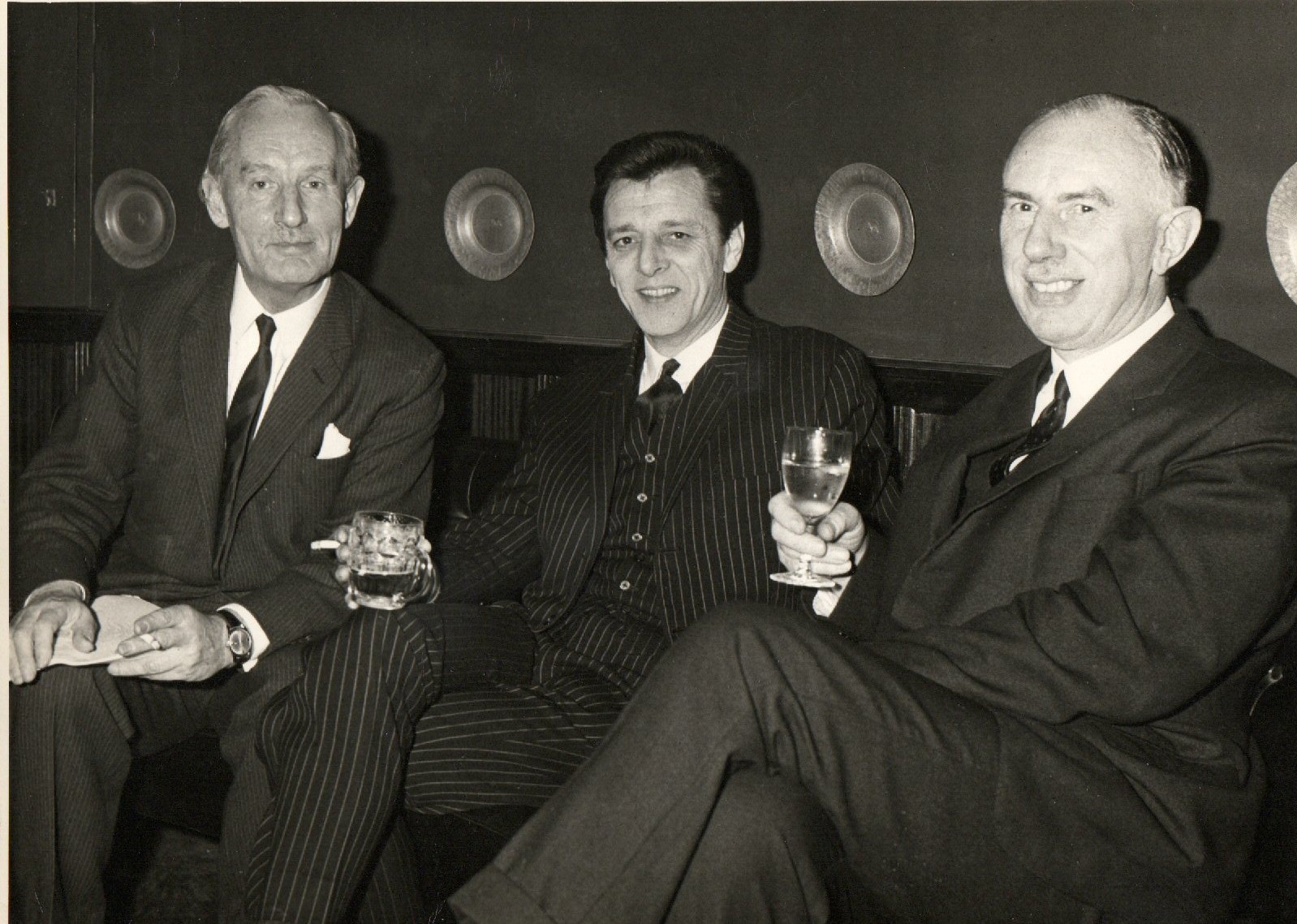
Although I never had the privilege of meeting Eric Hill myself, I feel as though I have come to know him through the people who loved and respected him most.
My late father-in-law, John Ayres, spoke about Eric often, but rarely in terms of the organisations he founded or the influence he wielded. Instead, he spoke about his kindness, his generosity and the quiet determination that inspired so many people to follow his lead.
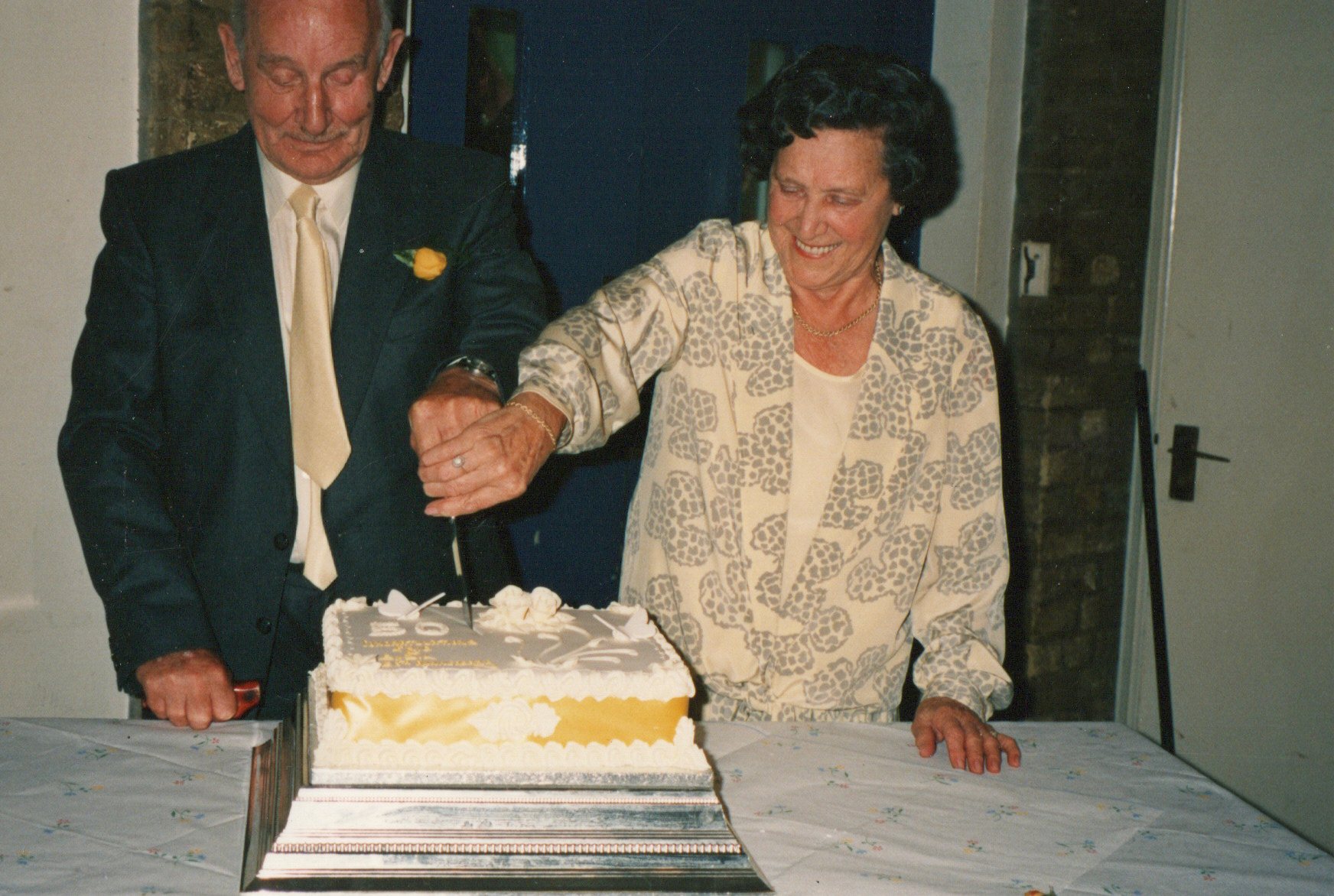
Years later, when I met my wife Sally, I discovered another remarkable connection. As a little girl she spent many happy weekends at Eric and Sibyl Hill's home in Surrey, swimming in their pool, playing in the garden and enjoying the warmth and hospitality that they extended so naturally to family and friends.
To Sally they weren't industry pioneers or respected figures within the profession.
They were simply Eric and Sibyl.
Looking back, I sometimes think that tells us more about Eric Hill than any list of achievements ever could.
A Legacy That Lives On
Perhaps Eric Hill's greatest achievement was never the organisations he founded.
Perhaps it was changing the culture of an entire profession.
He believed that people working in cleaning deserved respect, that education and professionalism mattered, and that friendships built through shared values were just as important as commercial success.
Those principles continue to run through the organisations he helped establish and, I believe, remain at the heart of the Worshipful Company of Environmental Cleaners today.
One of the things that has always attracted me to the Livery movement is that it grew from people like Eric Hill and John Ayres—practical, entrepreneurial individuals who built businesses from the ground up, valued integrity above status and believed that helping one another was every bit as important as personal success.
More than sixty years later, those values remain as relevant as ever.
.jpg)